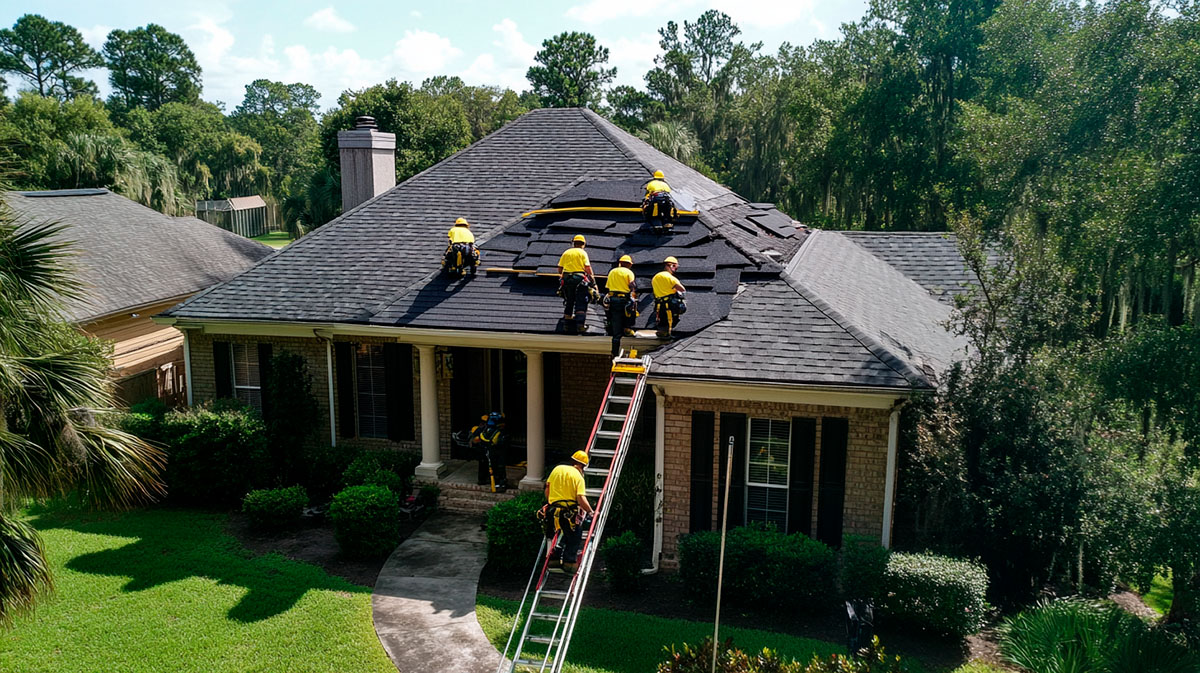


Local roofing contractor dealing with homeowners in Shreveport
Shreveport’s Local Roofing Company vs. Out-of-Town Roofers
December 8, 2025
parallax background

What to Expect When You Hire a Roofing Contractor in Shreveport

When it comes to protecting your home, the roof is one of the most critical elements. Hiring a professional roofing contractor ensures your roof is not only durable but also installed safely and correctly. We understand that the process can feel overwhelming, especially if it’s your first time managing a roofing project. From scheduling a consultation to maintaining your new roof, knowing what to expect helps you make informed decisions and reduces surprises along the way. In this guide, we will walk you through each stage of working with a roofing contractor in Shreveport, providing clarity on what the process looks like and how you can prepare.

Finding and Choosing a Reliable Roofing Contractor

Selecting the right roofing contractor sets the foundation for a smooth project. The choices available can be daunting, but focusing on a few key factors can help you identify professionals who meet your needs.

Licensing and Insurance

Before hiring a contractor, make sure they hold the proper license and carry sufficient insurance. Holding a valid license confirms that the contractor is properly trained and meets all local building code requirements. Insurance protects both you and the contractor in case of accidents or property damage. Simply asking to see these credentials is an easy step that can help you avoid problems down the line.

Local Experience Matters

Working with a contractor who knows Shreveport’s climate and building codes can significantly improve the outcome of your project. Local experience helps them anticipate challenges like heavy rainfall, strong winds, or intense heat, ensuring the materials and techniques they use are well-suited to your home. Contractors with multiple local projects under their belt are also familiar with the permitting process, which helps the project proceed more efficiently.

Reputation and Reviews

A contractor’s reputation provides key insight into their reliability, quality of work, and client relationships. You can review online testimonials, ask for references, or examine past projects to gauge their performance. Speaking directly with previous clients often uncovers practical details about punctuality, cleanup practices, and communication. Understanding these experiences helps you make a more confident and informed decision.

Initial Consultation and Roof Inspection

After selecting a contractor, the next step is a detailed consultation and roof inspection. This stage establishes expectations and provides you with a clear understanding of your roof’s condition.

Scheduling the Visit

A reputable contractor will arrange a convenient time for an on-site visit. This allows them to evaluate your roof thoroughly while working around your schedule. Planning ensures the inspection isn’t rushed and that every area can be examined safely. It also allows you to prepare any questions or concerns, making the consultation more productive.

Detailed Roof Inspection

During the inspection, the contractor examines shingles, flashing, gutters, underlayment, and the overall structure of your roof. They check for signs of wear, water damage, leaks, and any areas of weakness. A thorough inspection gives you a clear picture of your roof’s condition, which is crucial for making accurate recommendations and planning the next steps.

Assessment Report and Recommendations

After evaluating your roof, the contractor presents their findings in a clear, easy-to-understand report. This typically includes repair or replacement recommendations, material options, and preliminary cost estimates. The report may also highlight potential future issues to help you make informed decisions. Understanding these details early allows you to plan both financially and logistically, giving you confidence in the steps ahead.

The Estimate and Roofing Contract

A detailed estimate and formal contract provide clarity and protect both parties. Knowing exactly what the project entails helps avoid misunderstandings and ensures expectations are aligned.

Breakdown of Costs

The estimate should clearly itemize labor, materials, permits, and waste disposal. Each line helps you understand exactly what you are paying for and why. Being able to see the details clearly makes it easier to compare contractors and find ways to save without affecting the quality of work. It also helps prevent unexpected charges during the project, keeping your budget on track.

Timeline and Project Scope

A detailed contract clearly states the project’s start date, estimated completion time, and overall scope of work. This covers preparation, removal of old materials, installation steps, and final inspections. Understanding the timeline allows you to plan accordingly and provides a clearer picture of how the project will progress, reducing uncertainty about its duration.

Payment Terms and Warranties

Contracts outline payment schedules and any required deposits. It’s equally important to understand when payments are due and what protections, such as manufacturer or contractor warranties, cover your new roof. Knowing these details ensures you have support if any issues arise after the project is completed.

Preparing Your Home for Roof Work

Before work begins, taking steps to protect your property minimizes disruption and safeguards your belongings. Proper preparation also allows the project to proceed efficiently.

Protecting Outdoor Areas

Landscaping, outdoor furniture, and vehicles should be moved or covered before work begins. Contractors usually lay down protective materials to safeguard plants and surfaces, but taking extra precautions on your part helps prevent accidental damage. Additionally, securing delicate or valuable items reduces stress and ensures the work area remains safe throughout the project.

Interior Precautions

Items stored in the attic or near roof access points can be exposed to dust and debris during the project. Moving or covering these belongings helps maintain a clean environment and prevents potential damage. Taking these steps also makes it easier for the crew to move safely and work efficiently inside your home.

Communication with Neighbors

Roofing work can be noisy and may occasionally limit access to driveways or streets. Notifying your neighbors about the work encourages goodwill and reduces the chance of unforeseen issues. Keeping them informed also allows them to plan around any disruptions and shows consideration for the community.

The Roofing Process: What Happens on Site

Understanding the on-site process helps you know what to expect from start to finish. The work is methodical and follows industry standards to ensure safety and durability.

Removing the Old Roof

Tear-off involves removing shingles, underlayment, and any damaged decking. Contractors carefully dispose of old materials to keep your property safe and clean. This step also allows them to uncover hidden damage that may require repair. Identifying these issues early helps prevent future problems and ensures a solid foundation for the new roof.

Repairing or Reinforcing Roof Structure

Before installing a new roof, the underlying structure is carefully inspected. Any damaged or weakened wood is replaced to ensure a stable and secure foundation. This step prevents future issues and helps extend the lifespan of your roof. Strengthening the structure also provides peace of mind, knowing your roof is built to withstand local weather conditions.

Installing the New Roof

The installation process involves applying underlayment, installing flashing, laying shingles or other roofing materials, and completing the work with gutters and ventilation components. Each step adheres to manufacturer guidelines and local building codes. Skilled contractors pay close attention to alignment, sealing, and secure attachment to ensure the roof performs effectively and lasts for years.

Quality Checks During Installation

Throughout the project, inspections are conducted to verify accuracy and adherence to industry standards. These checks help prevent mistakes, minimize the risk of leaks, and ensure the finished roof meets expectations. Regular monitoring also allows any issues to be addressed promptly, keeping the project on schedule and maintaining high-quality results.

Post-Installation Walkthrough and Final Inspection

Once the roof is installed, a thorough review ensures that every aspect meets professional standards. This step gives you confidence and a clear view of the completed work.

Homeowner Walkthrough

We walk you through the property, highlighting the new roof’s features, repairs, and key components. During the walkthrough, we’ll answer your questions, share maintenance advice, and ensure any remaining concerns are addressed before the project is complete. This also allows you to see firsthand the quality of the work and feel confident in the results.

Final Inspection and Approval

Local building codes often require a final inspection to ensure all work complies with regulations. Contractors provide documentation verifying compliance and quality. This official review ensures your roof meets safety and performance standards. It also gives you formal assurance that the installation was completed correctly and to code.

Addressing Punch List Items

Minor adjustments or touch-ups may be identified during the walkthrough. Completing these items promptly ensures the finished roof is both fully functional and visually complete. Addressing them also provides peace of mind, confirming that every detail meets your expectations before the project is finalized.

Maintenance and Long-Term Care

Maintaining your roof ensures it performs well and lasts longer. Routine care identifies potential issues early and protects your investment.

Routine Inspections

Annual inspections, or checks following severe weather, help identify issues such as loose shingles, leaks, or other damage early. Regular monitoring lowers the risk of costly repairs and extends the roof’s lifespan. They also provide a chance to resolve small issues before they escalate into bigger, more expensive repairs.

Cleaning and Gutter Maintenance

Keeping gutters free of debris and roof surfaces clean prevents water buildup that can cause rot or leaks. Regular maintenance safeguards both your roof and the overall structural integrity of your home. It also allows you to spot early signs of damage, ensuring issues are addressed before they worsen.

When to Call the Contractor Again

Certain signs, such as leaks, missing shingles, or sagging areas, indicate that professional attention is needed. Promptly addressing these issues prevents further damage and helps extend the roof’s lifespan. Reaching out early also allows the contractor to assess potential underlying problems before they become more costly to repair.

Common Questions and Concerns

We often encounter the same questions from homeowners. Addressing these upfront helps you feel prepared and confident during the roofing project.

How Long Will the Project Take?

The project timeline depends on the roof’s size, complexity, and prevailing weather conditions. A standard residential roof typically takes several days to a week, while larger or more intricate designs may require additional time. Planning for potential delays helps you manage expectations and coordinate any necessary arrangements around the construction schedule.

Will My Insurance Cover It?

Insurance coverage depends on your specific policy and the type of roof damage. Contractors can help by documenting the damage and providing detailed estimates to support your claim, making the process smoother. Understanding your coverage early also allows you to plan financially and avoid unexpected out-of-pocket costs.

Noise, Dust, and Disruption

Roofing projects naturally generate noise and debris. Preparing your home, securing belongings, and staying in communication with your contractor helps minimize inconvenience and keeps the process manageable. Planning also allows you to schedule activities around work and reduces unexpected interruptions.

Working with a Roofing Contractor in Shreveport

Hiring a roofing contractor in Shreveport is an important investment in your home’s safety and long-term durability. Understanding the process, from selecting a contractor to post-installation maintenance, helps ensure a smoother experience and reduces stress. By preparing your property, asking the right questions, and staying informed throughout the project, you can feel confident that your roof will perform reliably for years to come.

For expert guidance and quality roofing services backed by 43 years of experience, contact Gold Star Roofing at 318-688-3035 today!

Read the related article:

    GET A FREE ESTIMATE TODAY

    Just fill in the form below and we will get in touch with you as soon as possible.