
For homeowners in Shreveport, knowing when it’s time to replace a roof is one of the most important parts of protecting your home. Your roof isn’t just another feature—it’s the barrier that shields your family and belongings from heavy rain, humidity, high winds, and intense summer heat common in North Louisiana. While no roof lasts forever, understanding its expected lifespan can help you avoid unexpected expenses and preventable damage.
There’s no single replacement timeline that fits every home. How often you’ll need a new roof depends on the material, local weather conditions, the quality of installation, and ongoing maintenance. Below is a general guide to help you plan.
Average Lifespan of Different Roofing Materials
Every roofing material has a general life expectancy. Knowing these averages gives you a baseline for planning, though keep in mind that actual performance varies based on care and conditions.
Asphalt Shingles
Asphalt shingles are the most common roofing choice for homes, largely because they’re affordable and widely available. Three-tab shingles typically last 15–20 years, while architectural or dimensional shingles can reach 20–30 years. Their relatively short lifespan compared to premium materials is balanced by lower installation costs.
Metal Roofing
Metal roofs are known for their strength and durability, with lifespans ranging from 40 to 70 years depending on the type of metal. Steel and aluminum are common and reliable, while copper and zinc can last well over a century. Metal is especially valued in areas prone to harsh weather conditions, as it withstands wind, hail, and fire well.
Wood Shingles and Shakes
Wood shingles and shakes typically last 20–40 years. Their natural look appeals to many homeowners, but they require consistent care to resist rot, insects, and mold. Without proper treatment or maintenance, their lifespan can be significantly shortened.
Tile Roofing (Clay or Concrete)
Clay and concrete tile roofs are among the longest-lasting options, often reaching 50–100 years. They’re heavy, so the home’s structure must be built to support the weight, but their durability makes them a long-term investment in the right conditions.
Slate Roofing
Slate is a premium roofing choice with a lifespan of 75–150 years. It’s one of the longest-lasting materials available, but its cost and weight mean it isn’t a fit for every home.
Flat Roofs (Membrane Systems)
Flat roofs, often used in commercial buildings but sometimes found on homes, usually last 15–25 years. Systems like EPDM or TPO are effective but generally require more frequent replacement than pitched roof materials.
Factors That Influence Roof Longevity
Even the highest-quality roof won’t last to its full potential if conditions work against it. Several factors play a vital role in how long your roof lasts, and understanding them helps you make better decisions about care, repairs, and eventual replacement.
Climate and Weather Conditions
The local environment can either protect your roof or gradually wear it down. Prolonged exposure to hot sun dries out shingles, making them brittle and more prone to cracking. Heavy rain slowly erodes protective layers, while hail can leave dents, fractures, or even punctures depending on its size and impact. In coastal areas, salty air can cause metal roofing components to corrode more quickly, slowly wearing them down over time.
Here in Shreveport, intense summer heat, strong storms, and periods of heavy rainfall all impact how quickly roofing materials age. Even normal seasonal temperature changes cause materials to expand and contract, creating ongoing stress over time. When these conditions repeat year after year, they can significantly influence whether your roof reaches its full expected lifespan—or needs replacement sooner than anticipated.
Installation Quality
A roof is only as reliable as the work that went into installing it. If shingles aren’t nailed down properly, flashing is poorly sealed, or underlayment is skipped, the roof may start failing far sooner than expected. These mistakes don’t always show up immediately, but they can become evident within a few seasons as leaks or uneven wear appear. That’s why the quality of workmanship during installation is just as important as the materials themselves in determining how long your roof will last.
If you have concerns about your roof’s installation or notice early signs of damage, consulting a professional roof repair company can help ensure any issues are addressed correctly and prevent costly problems down the line.
Ventilation and Insulation
A well-ventilated attic allows excess heat and moisture to escape, helping your roof maintain its strength and structural integrity. Without proper airflow, shingles can blister, wood decking may begin to rot, and in colder climates, ice dams can form along the roof’s edges. Adequate insulation is just as important, as it minimizes temperature extremes inside the attic and reduces ongoing stress on roofing materials. Together, proper ventilation and insulation create a balanced attic environment that reduces wear and helps extend your roof’s overall lifespan.
Maintenance Habits
Routine upkeep makes a noticeable difference in how long a roof lasts. Cleaning gutters ensures water drains properly rather than backing up under shingles. Inspecting after storms helps you catch small cracks or missing pieces before they turn into leaks. Replacing damaged flashing or resealing joints quickly keeps weak points from spreading. On the other hand, a roof that’s ignored often deteriorates much faster, forcing replacement years earlier than one that’s cared for consistently.
Material Quality and Manufacturer Standards
Not all roofing products are created equal, even if they look similar at first glance. Higher-quality shingles, tiles, or metal panels are generally manufactured to stricter standards, making them more resistant to wear and damage. Warranties can give some indication of expected performance, but they’re not foolproof; real-world results depend on how the roof is used and maintained. Investing in stronger materials often pays off with fewer issues and a longer overall service life.
Signs It’s Time to Replace Your Roof
It’s easy to miss the early warning signs of roof failure, but catching them sooner rather than later can save you from costly interior repairs and bigger structural issues down the line. Paying attention to the following red flags helps you know when it’s time to take action.
Age of the Roof
If your roof is approaching or past its expected lifespan, it’s wise to start planning for replacement—even if it still looks fine from the ground. Older roofs are more vulnerable to sudden damage and may deteriorate rapidly once small issues begin. Think of age as a clock running out: the closer you get to the limit, the less margin you have before bigger problems set in.
Visible Damage
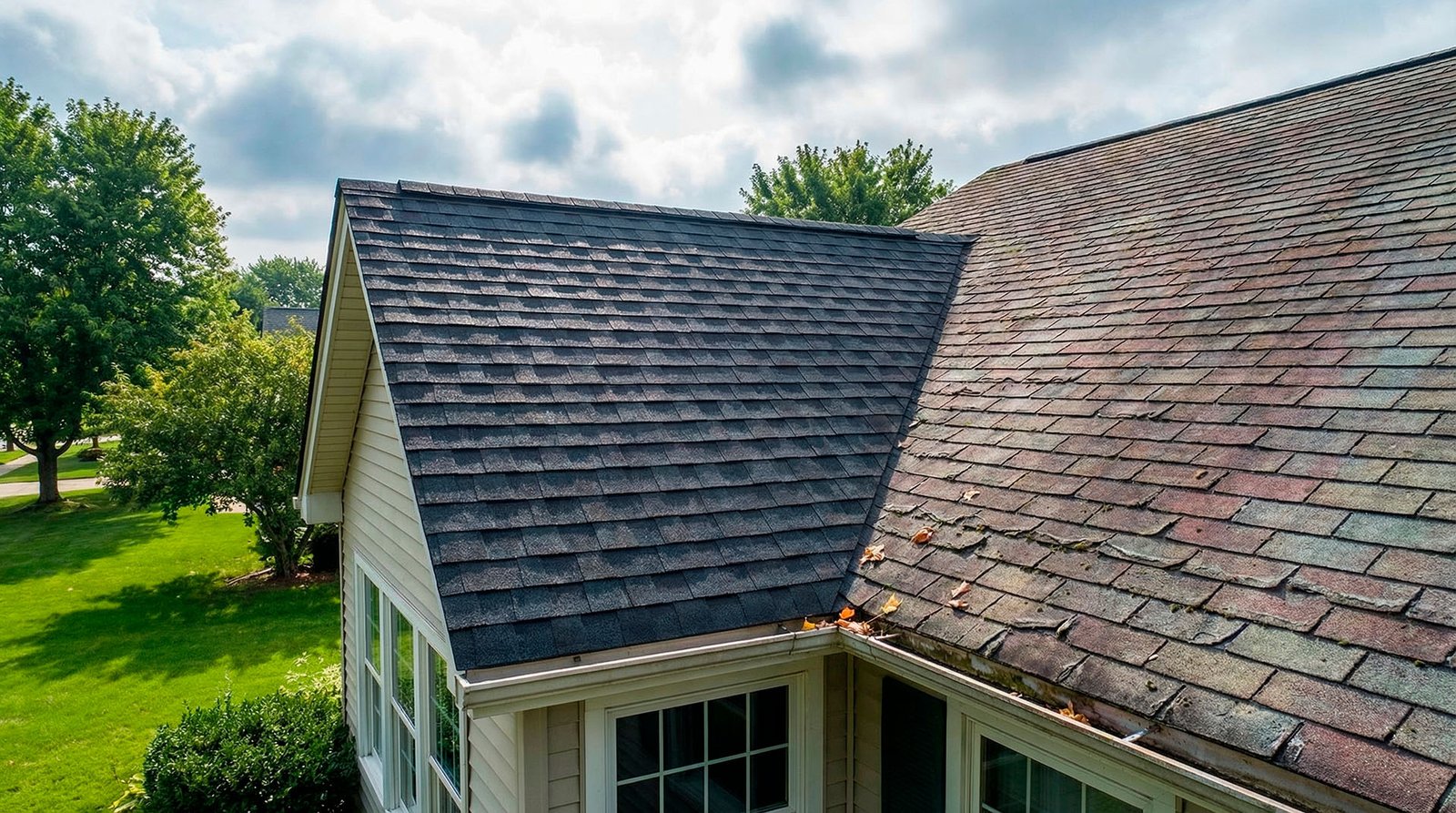
Curling, cracking, or missing shingles on asphalt roofs are some of the most common signs of wear. Tile roofs may show broken, slipped, or loose tiles, while metal roofs can dent, warp, or develop rust after storms. What you see on the surface often points to hidden issues beneath, meaning visible damage shouldn’t be dismissed as “just cosmetic.”
Leaks and Water Stains
Water spots on ceilings, damp insulation, or mold growth in the attic all signal that water is sneaking past your roof’s defenses. Even a small drip indicates a breach that can spread quickly if left untreated. Over time, unchecked leaks can weaken structural framing, ruin drywall, and create unhealthy indoor air conditions.
Sagging Roof Deck
A sagging roof line is one of the most serious warning signs you can spot. It often points to rot in the decking or damage to the structural supports beneath the roof. In most cases, sagging means repairs alone won’t be enough—the roof likely needs a full replacement to restore both safety and stability.
Excessive Granule Loss
If you’re finding piles of granules in your gutters, at the end of downspouts, or around your foundation, it’s a clear signal that asphalt shingles are breaking down. Without those protective granules, shingles lose their UV resistance and become brittle faster. Granule loss not only shortens the roof’s life but also leaves your home more exposed to leaks and heat damage.
Roof Replacement Frequency by Circumstance
Sometimes roofs fail earlier than expected. Certain circumstances can accelerate wear and tear, making replacement necessary long before the typical lifespan is reached. Recognizing these situations helps you plan and protect your home.
After Severe Storm Damage
Hail, strong winds, or falling branches can damage a roof overnight. Even if the roof isn’t old, storm damage often forces replacement for safety and protection. Insurance may cover some or all of the cost, but acting quickly is key to preventing leaks, mold, or further structural issues from setting in.
Poor Initial Installation
When a roof isn’t installed correctly, problems often appear much earlier than they should. Leaks, uneven wear, and loose or misaligned materials may all signal that the original work was flawed, shortening the roof’s useful life. In many cases, reinstallation or full replacement is more cost-effective than chasing ongoing repairs.
Inadequate Maintenance
Neglect accelerates aging and can undo the benefits of even the best roofing materials. Clogged gutters, unchecked moss growth, or ignored minor leaks eventually lead to major problems like rot or water infiltration. Routine maintenance may seem small, but without it, you’ll likely be replacing your roof years earlier than expected.
Home Renovations or Additions
If you’re expanding or remodeling your home, replacing the roof at the same time often makes practical sense. It ensures the entire structure has consistent protection and prevents a patchwork appearance that can look uneven and perform less reliably. A single, unified installation also improves overall efficiency by minimizing weak points where leaks are more likely to develop.
Cost Considerations and Value of Timely Replacement
Replacing a roof is a major investment, but looking at the bigger picture makes the cost easier to understand. Beyond the price tag, a new roof brings financial, functional, and long-term benefits that can outweigh the initial expense.
Upfront Costs by Material
Asphalt shingles are the most affordable upfront, making them a common choice for many homeowners. Tile, slate, and premium metals, on the other hand, require a much larger investment due to their durability and specialized installation needs. While the price difference can be significant, choosing a material that fits both your budget and your long-term plans helps you get the best value.
Long-Term Savings
Durable roofing materials may require a higher upfront investment, but they often deliver long-term savings by reducing the need for multiple replacements. Metal, slate, and tile roofs can last decades longer than asphalt, meaning fewer reinvestments over time. Some roofing options also improve energy efficiency by reflecting heat and maintaining better insulation, which helps lower heating and cooling costs throughout the year.
Insurance and Resale Value
A new roof can significantly improve your home’s resale value, since buyers see it as one less major expense they’ll have to worry about. Homes with newer roofs often sell faster and at stronger prices. On the insurance side, maintaining a modern, reliable roof can help you secure coverage more easily and, in some cases, even qualify for lower premiums.
Knowing When It’s Time for a Roof Replacement
For homeowners in Shreveport, most roofs need to be replaced every 20 to 30 years, though the exact timing depends on the roofing material, local climate, and roof maintenance. Asphalt shingles typically last 15–30 years, metal roofs can last 40–70 years, while tile or slate roofs may protect a home for 50–100 years or longer.
Storms, poor installation, and lack of regular maintenance can shorten a roof’s lifespan, especially in areas like Shreveport that experience strong winds, heavy rain, and occasional hail. That’s why it’s important to watch for warning signs such as leaks, sagging areas, or widespread shingle damage. While there’s no universal replacement schedule, scheduling regular inspections and addressing small issues early can help extend your roof’s life and protect your home.
If you’re unsure whether your roof needs repairs or a full replacement, contact our team of roofing contractors for a thorough inspection and expert guidance tailored to your Shreveport home.